[Review] First Cow: Friendship in the 19th Century
June 16, 2021
Sofía Alvarez Salas
June 16, 2021
Sofía Alvarez Salas
This week, First Cow (2019) premiered in Spain. Directed by Kelly Reichardt and distributed by the great A24—the production and distribution company doing so much for American independent cinema today—the film is an adaptation of the novel The Half Life by Jonathan Raymond, who also co-wrote the screenplay with Reichardt. It had its world premiere at the Telluride Film Festival in 2019 and competed for the Golden Bear at the Berlin International Film Festival in 2020.
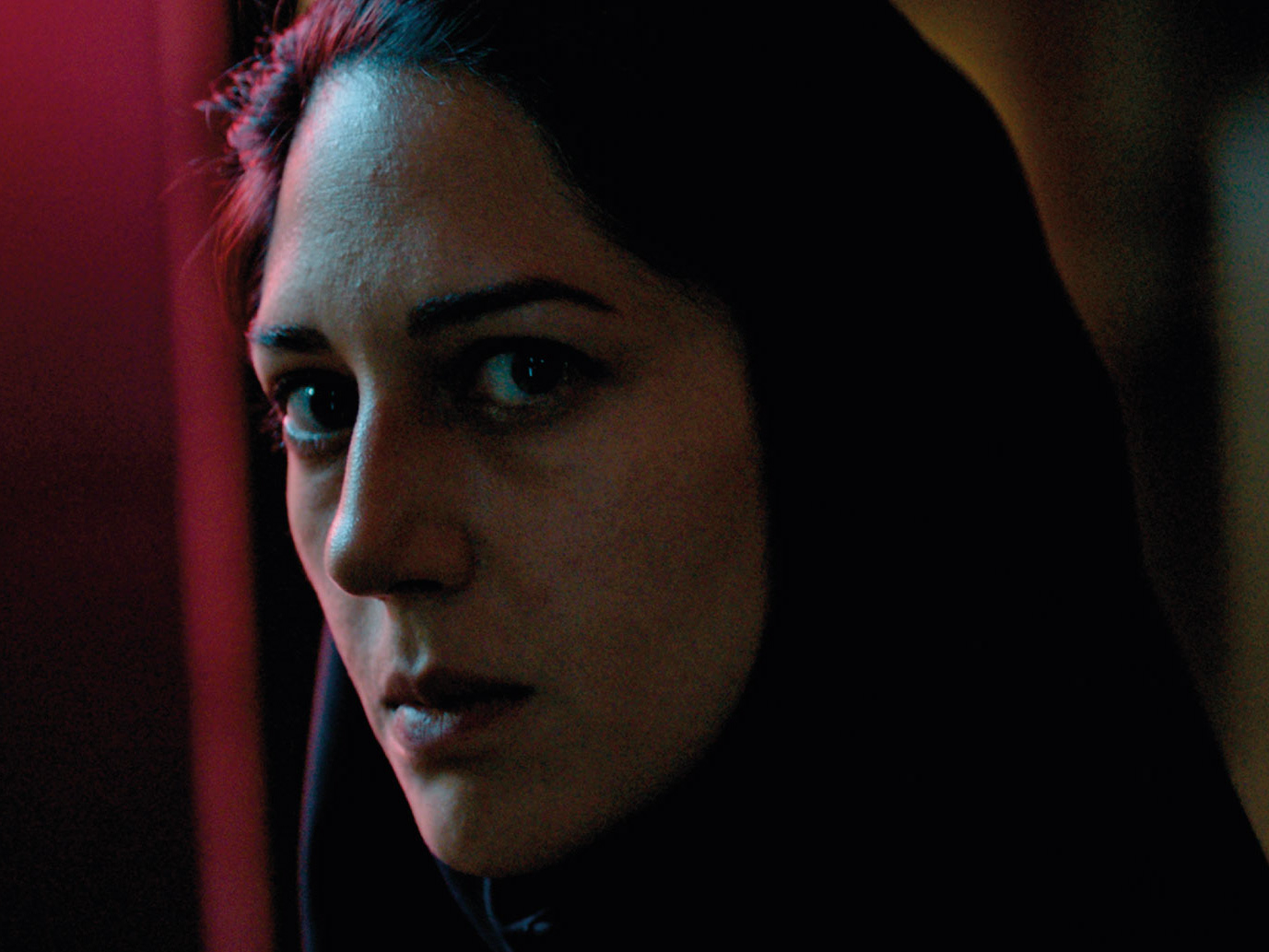
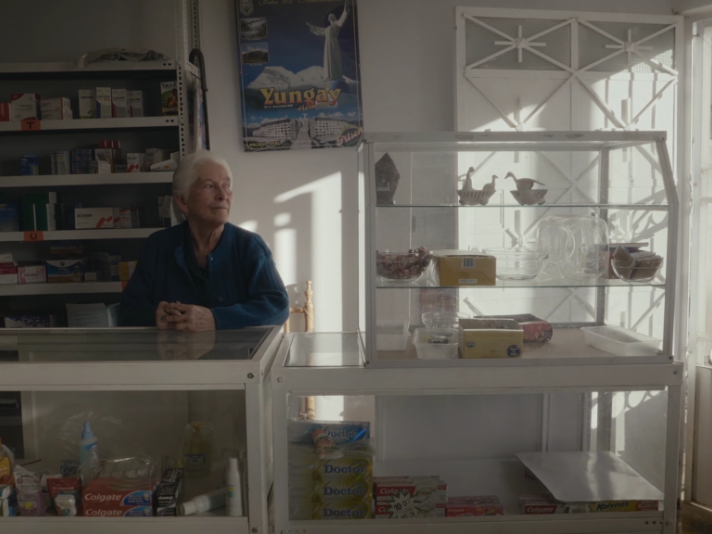
The film has one of the most unusual synopses I’ve heard in a long time. It begins with a woman walking her dogs who discovers two skeletons buried in a park. We are then transported to the 19th century to witness the story of two men who become friends under unusual circumstances—one of them hiding from the Russian mafia, the other a nomadic cook traveling with a group of fur trappers. They help each other for a time, part ways, and then reunite in a small rural town in Oregon.
The story is handled with extraordinary finesse. You’re transported to the time period not only by the setting, but by the silences that accompany it. Suddenly, we find ourselves spending time in utter stillness, in a kind of emptiness we’re no longer used to. The sounds of nature are our only soundtrack.
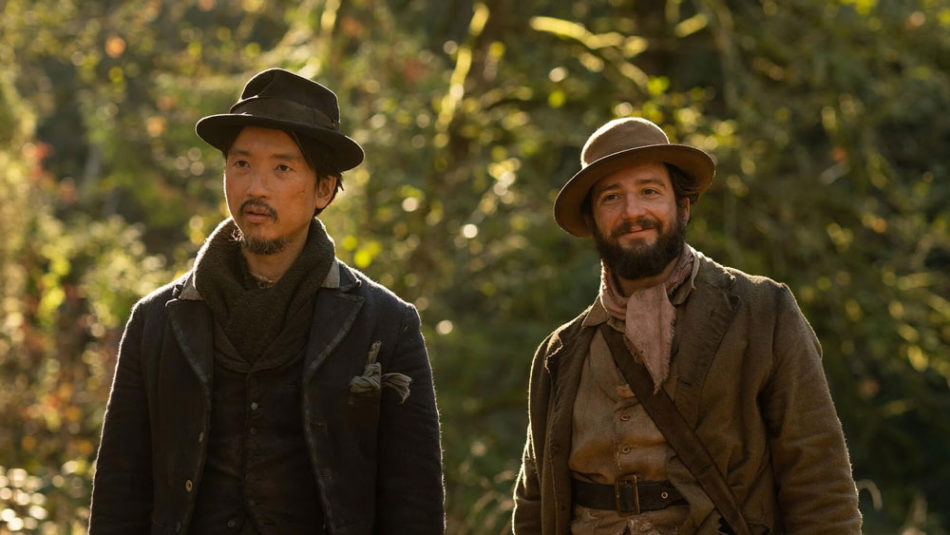
Our protagonists don’t try to fill the silence. Cookie and Lu simply accompany each other. They speak only when necessary, and when they do, they share their dreams and reflections on the era they live in. The film subtly communicates a deep male friendship in which not a single woman is ever mentioned. The friends coexist almost like a couple, and while it’s never explicitly stated, a progressive relationship is suggested—remarkable in a setting where such topics would have been completely taboo.
Together they form an unusual balance: one is shy and talented, the other shrewd, opportunistic, and sociable. This friendship leads them to a singular opportunity to escape poverty: the town’s wealthiest man has just brought in a cow, and they begin secretly milking it to make baked goods.
This act becomes a perfect metaphor, like something out of a classic children’s story—“the poor sneak out at night to milk the rich man’s cow.” It speaks to both the stark class divide they live in and the notion that theft becomes the only viable tool for social mobility.
It’s a “clever” theft, a strategy to escape their circumstances—but of course, for the metaphor to hold, there must be consequences. And there are.
The film contrasts the quiet coexistence of early settlers with the looming onset of capitalism. One of the characters remarks that this is “a place where history hasn’t arrived yet.” But history will arrive soon enough—and they will have to pay its price. Suddenly, there are migrants, private property, and unreachable millionaires coexisting with peasants who survive on whatever they can scrape together each day.
Reichardt captures this transition to capitalism in a country that would soon become its epicenter, focusing not on big events but on the small story of two ordinary people trying to overcome financial hardship and achieve upward mobility. In the end, they choose to take care of one another—and in doing so, they defy the very system they live in.
There’s a beautiful honesty in the performances of John Magaro (Cookie) and Orion Lee (Lu). The glances they exchange, the way they look for each other to offer reassurance or help, is what truly transports us to their world.
First Cow is an unexpected gem—a time capsule in 4:3 aspect ratio that reminds us that what has always endured is human friendship.