Argentine filmmaker Amalia Ulman’s latest film immerses us in the lives of a group of irreverent Americans, so caught up in their own problems that they are incapable of recognizing the solutions—even when they are right in front of them.
Starring the director herself alongside Chlöe Sevigny, Simon Rex, and Alex Wolff, Magic Farm transports us to the most uninhibited corners of independent cinema. The film evokes the work of Sebastián Silva, another Latin American filmmaker based in the U.S. and a key figure in indie cinema, due to its bold narrative and formal freedom in addressing these themes. The film incorporates footage captured with GoPro cameras attached to stray dogs, skateboard shots reminiscent of a generation’s childhood, and an unfiltered use of titles that reference the viral aesthetic of social media.
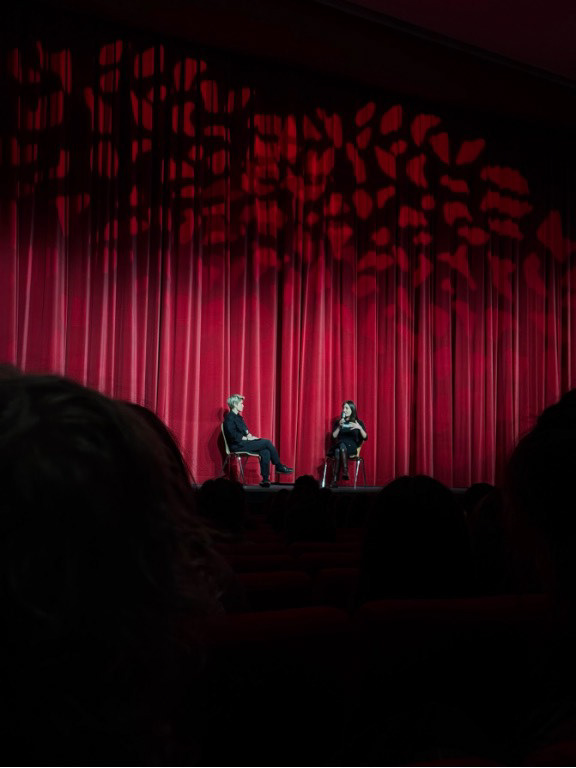
As Ulman mentioned in the Q&A after the film’s premiere, Magic Farm highlights the absurdity of how misunderstandings develop and the sheer egocentrism of its characters, who are oblivious to a reality offering them answers they are incapable of seeing. The film can be interpreted as a critique of a generation entirely self-absorbed, where morality is not a fundamental principle but rather a flexible guideline to be followed or ignored depending on convenience.
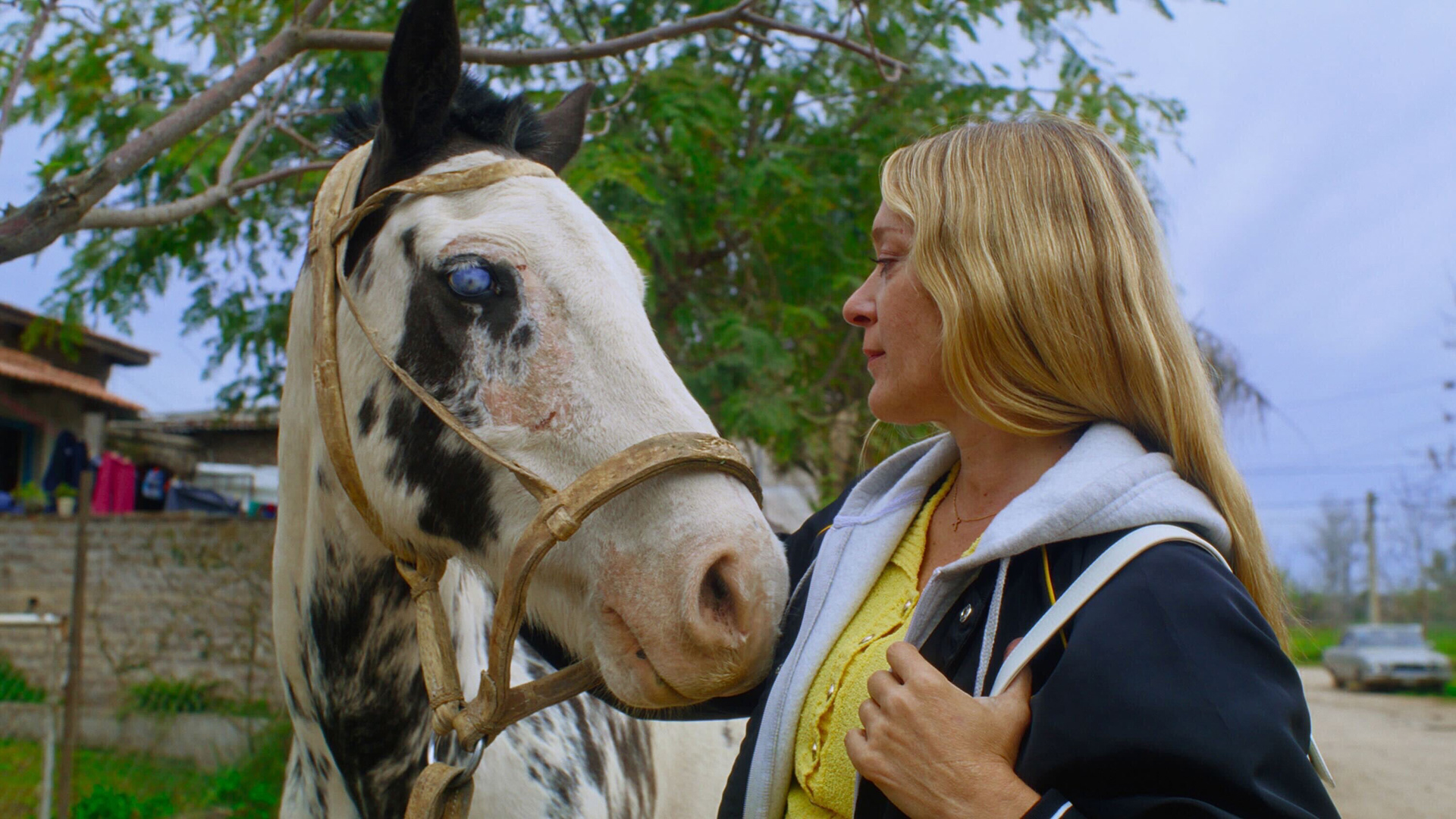
The story follows a team of documentary filmmakers traveling to rural Argentina in search of content for their program. However, they are more concerned with the aesthetics of appearances than with the substance of what they are documenting. Even the older characters—such as the fallen star played by Chlöe Sevigny or the producer embroiled in a sexual assault controversy (Simon Rex)—seem disconnected from the real story unfolding before them: the poisoning of a vulnerable community due to toxic pesticides, evoking the Monsanto plantation crisis. Instead of confronting this harsh reality, the younger characters—Ulman, Wolff, and Joe Apollonio—choose theatricality, mirroring the superficiality with which they approach their own lives.
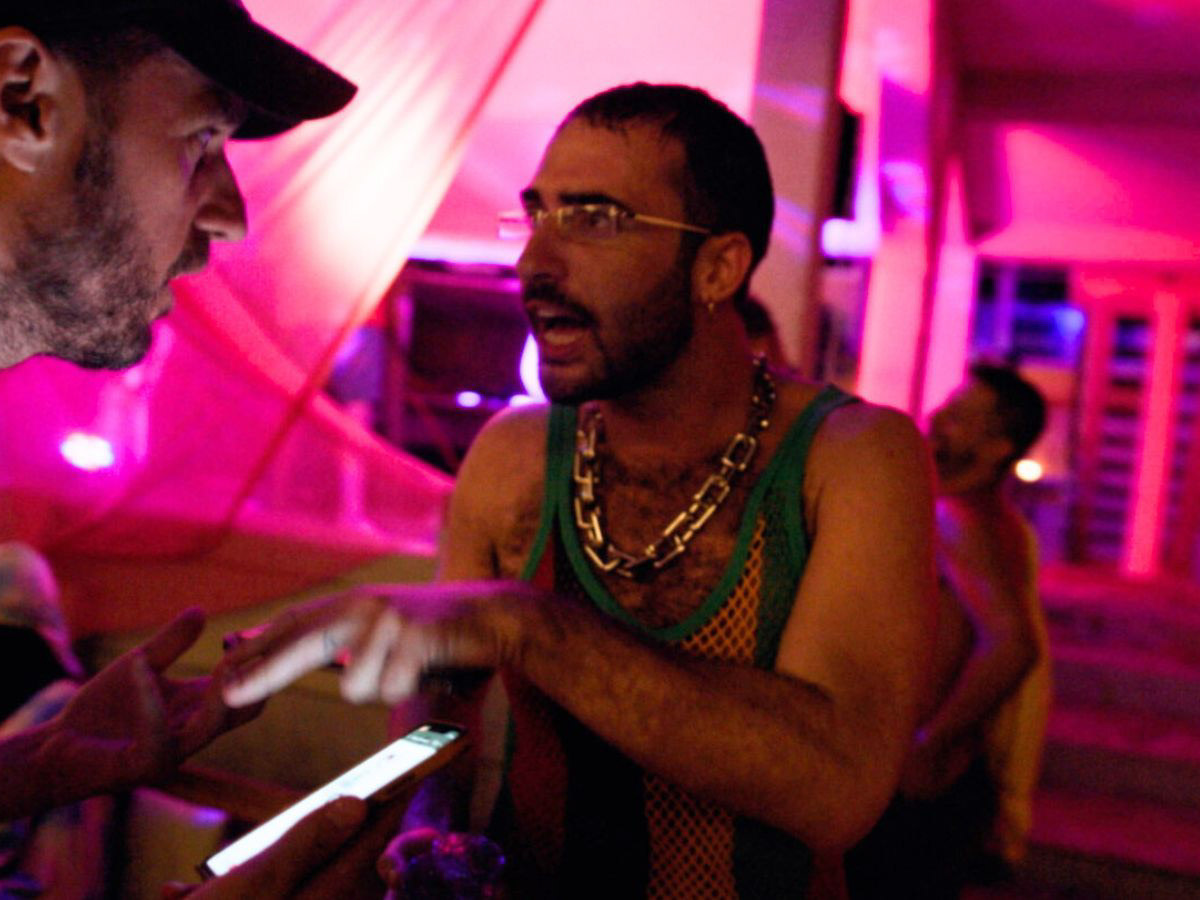
A U.S.-Argentina co-production, Magic Farm does not shy away from delving into millennial paranoia and social media addiction, contrasting them with life in a neglected Argentine village. In an almost ironic way, the film shows that despite geographic and technological differences, the influence of social media is universal. Whether in New York or a remote town, everyone is infected by the obsession with TikTok, viral dances, and strategically staged selfies meant to generate more likes and boost social status. In this sense, one of the most intriguing characters is Matías, a young man with a degenerative disease who, as Ulman revealed during the post-screening Q&A, was based on a real person. Passionate about raves and hedonism, Matías improvises most of his lines, bringing a sense of freshness and dynamism crucial to the narrative.
Ulman’s playful tone and bold stylistic choices led Magic Farm to a vibrant European premiere in the Panorama section of the Berlinale and its world premiere at Sundance earlier this year.
Magic Farm is the second feature film written and directed by Amalia Ulman, following El Planeta (2021), and it solidifies her place as one of the most provocative and unique filmmakers in today’s independent cinema scene.