Asteroid City: Wes Anderson’s Response to a Shifting Hollywood
Asteroid City, the latest film by Wes Anderson, unfolds as a vibrant journey into the past, set in the year 1955, where we are introduced to a play of the same name. Within this meta-narrative, a youth astronomy convention is underway in the fictional desert town of Asteroid City when an unexpected event occurs—one that will change the world, and the lives of the quirky characters trapped in the town.
True to Anderson’s signature style, the film is carefully layered, adding two external narrative frames. At the beginning, we are welcomed by Bryan Cranston, our narrator and guide, who introduces us to the playwright of the story, revealing his inner turmoil and the personal nature behind the narrative.
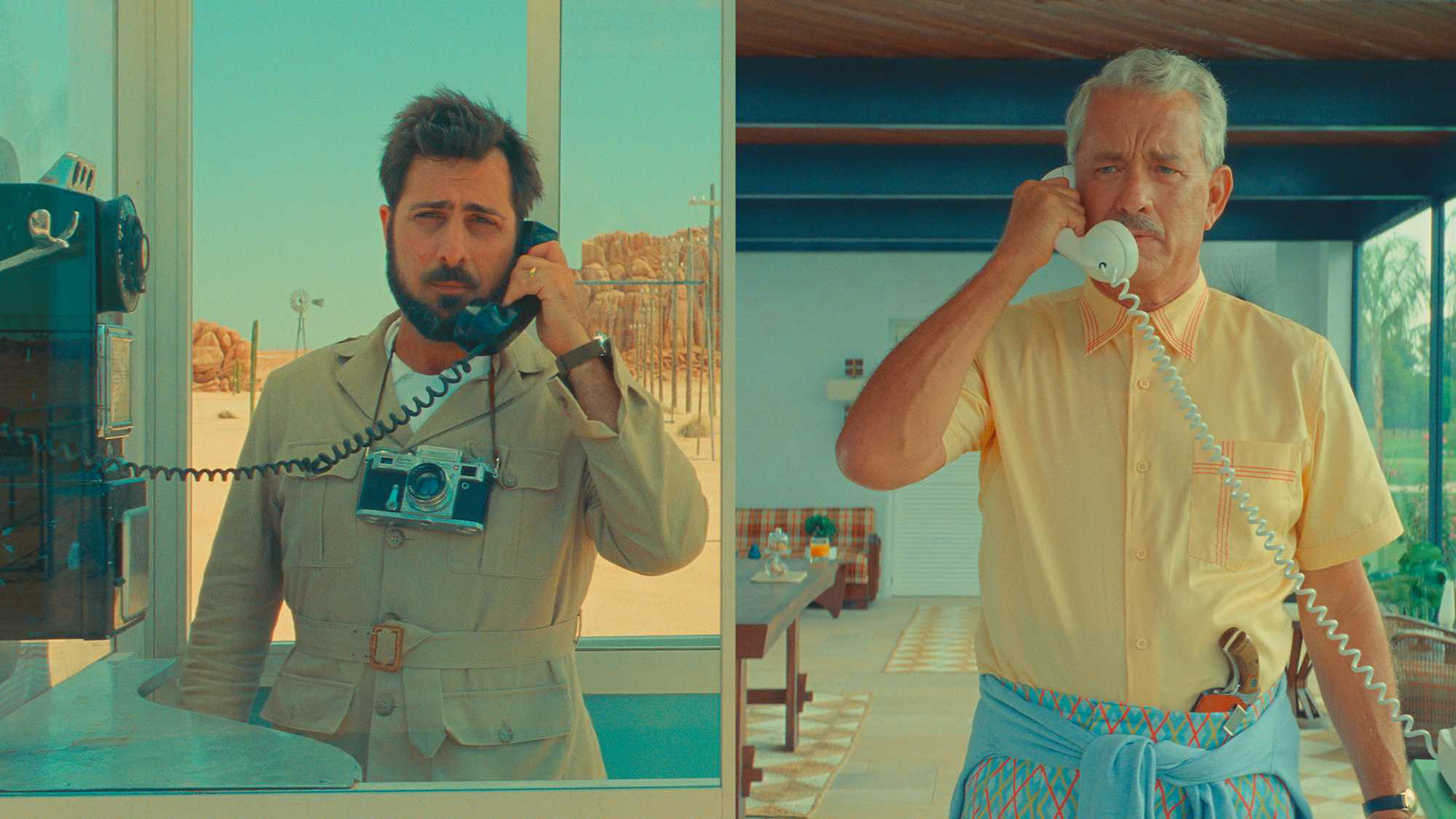
Within the play, Anderson explores themes of existentialism, grief, loss, and youthful frenzy, all contrasted against the film’s meticulously crafted, pastel-hued scenery—shot in Chinchón, Spain—that makes the characters feel both vivid and stranded in time.
It’s hard not to read the film as a reflection of its creator’s context. Wes Anderson, a filmmaker with a well-established career, is clearly responding to the current paradigm shift in Hollywood. Much like The Last Picture Show (1971) by Peter Bogdanovich, released during the decline of the old studio system in the 1970s, Asteroid City feels like a farewell letter to a system in flux. That earlier film marked the beginning of a new wave of auteur cinema—ushering in legends like Spielberg, Coppola, and Scorsese.
In 2023, Hollywood once again finds itself in crisis. The Writers Guild of America has been on strike since May, and the Screen Actors Guild has recently joined them. The industry is at a standstill, with a massive backlog of halted productions and an uncertain future.
Wes Anderson is not blind to this moment. Asteroid City feels like his response. It is the second time (after The French Dispatch) that the filmmaker places the “author” directly within the story, this time even more literally and prominently. I would argue that this is one of Anderson’s most political films in years—placing a figure who is usually hidden in the shadows at the very center of the stage, making it unmistakably clear who is telling the story.
In a time when the future of storytelling is in question, Asteroid City becomes more than a nostalgic trip—it is a self-aware reflection on authorship, control, and the role of the artist in shaping collective memory.